

Dear Sir or Madam,
Dear readers,
25 years after the founding of the league association, we present the DFL Economic Report for the 2024-25 season. This founding, which also led to the creation of the DFL as an organisation, was at the time both a groundbreaking and farsighted decision, laying the foundation for consistent professionalisation. German professional football has undergone rapid development over the past 25 years – in sporting, structural, and economic terms alike. The league association and the DFL are a success story – the current figures underscore this impressively.
Never before have the 36 clubs together reported such high revenues: €6.33 billion. Never before have so many people been employed around the Bundesliga and Bundesliga 2: more than 64,000. Never before has professional football paid so much in taxes and contributions: around €1.7 billion.
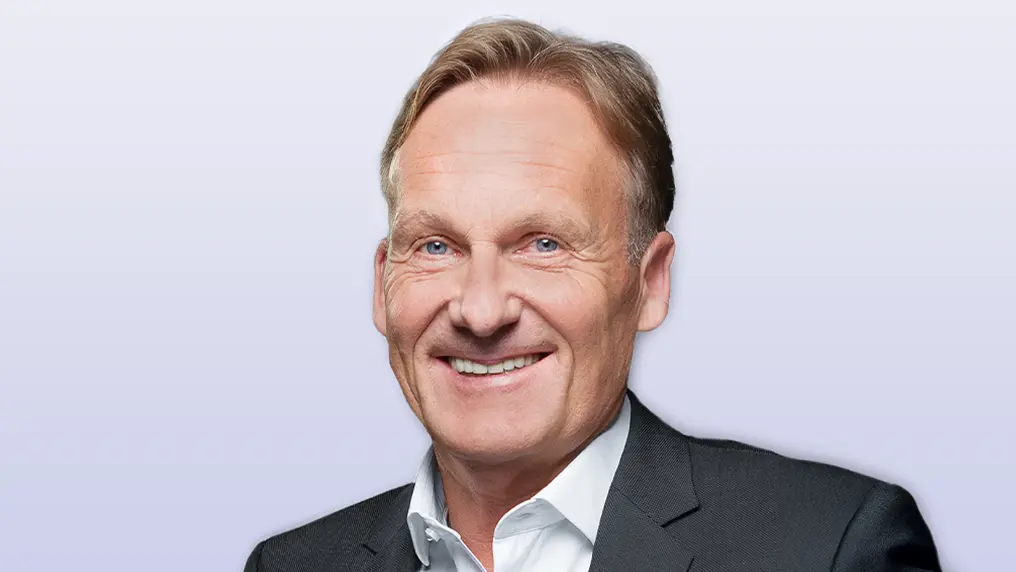
League President of the DFL Deutsche Fußball Liga e.V. and
Chairman of the Supervisory Board of the DFL GmbH
From the league association’s perspective, it is particularly gratifying that this positive development has led to a noticeable stabilisation of the clubs this year. The fact that 28 of the 36 clubs and corporations have achieved profits – after taxes, interest, and depreciation, mind you – underscores the sustainable management in German professional football and demonstrates that consolidation has taken place following the years of crisis caused by the coronavirus pandemic. At the same time, it is well known that many economic indicators are subject to fluctuations in view of the enormous dynamics of business models and financial behaviours in global football. Responsible handling of our resources, along with the 50+1 rule and fan-friendly ticket prices, is a core value of German professional football that we must always keep in focus.
The league association and the DFL are a success story – the current figures underscore this impressively.
In light of recent debates about police costs and stadium security, it is all the more important to document football’s positive societal impact. This influence goes far beyond the economic significance and the billions that the industry contributes to public coffers. Our leagues remain magnets of public attention, moving millions of people. Even in the 2024-25 season, German professional football once again sold a record number of tickets: nearly 21 million. And this was achieved with declining police deployment hours and further reduced injury numbers, which were already at a very low level.
We consistently use the reach of our sport for positive social messages. Our clubs are committed to integration and inclusion, actively advocate for social cohesion and democracy, and take a stand even when it does not only garner applause – for example, in the fight against antisemitism. This applies not only to our themed matchdays, which once again had an impact in 2024-25, but also in everyday life and at every single location.
However, clubs and associations can only engage in such efforts on a stable economic and sporting foundation. Creating this foundation was the most important goal of founding our league association 25 years ago. Today, German professional football is in better shape than ever before, based on its key figures. This does not mean there is nothing left to optimise. On the contrary: in the coming years, we will need to further develop in areas such as talent development and internationalisation and strengthen centralised marketing. But on the current foundation, we can approach the World Cup year in 2026 with confidence and optimism.
Yours sincerely,
League President