

Dear Sir or Madam,
Dear readers,
The economic figures of German professional football are stronger than ever before. This is evident from the DFL Economic Report, the official source for the cumulative figures of the 36 clubs in the Bundesliga and Bundesliga 2 – from new teams in the second tier to the Bundesliga's record champions. Accordingly, the balance sheets are equally diverse when looking at the details. All the more gratifying and remarkable is the overall picture. It clearly shows that the existential crisis caused by the coronavirus pandemic has now been overcome and clubs are competitive in their various competitions and act to a very large extent rationally with their finances.
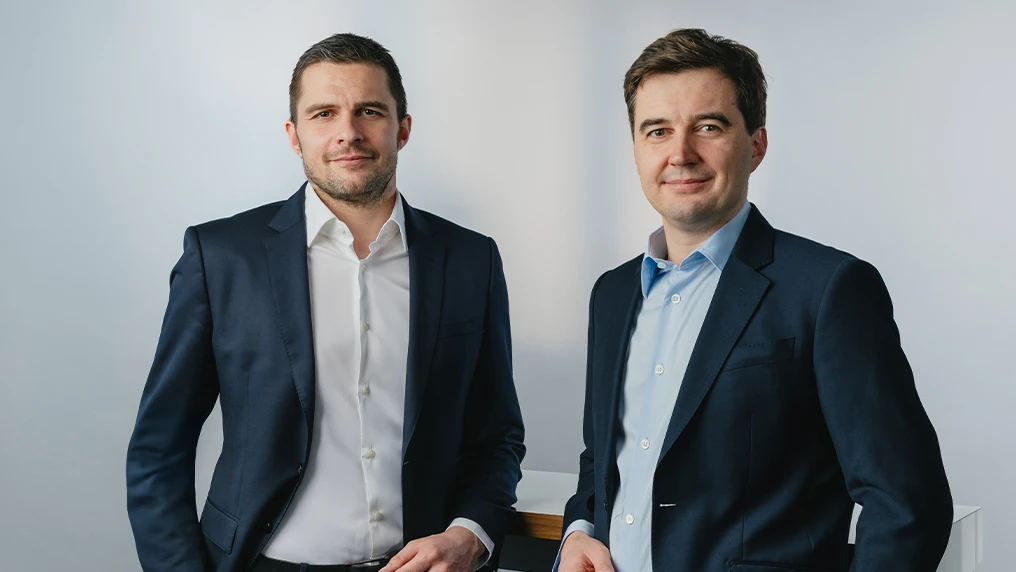
CEOs of the DFL Deutsche Fußball Liga GmbH
Regarding the strong growth on the revenue side, the overall balanced mix of revenue sources is worth highlighting. With their revenue growth combined with rational use of resources, the clubs have consolidated and strengthened their position on all key levels:
- As businesses generating €6.33 billion in revenue, with the vast majority posting profits and holding positive equity.
- As employers providing jobs for more than 64,000 people.
- As taxpayers contributing around €1.7 billion to public budgets.
- As social institutions taking responsibility in their regions and giving back the trust, support, and loyalty of their fans.
- And not least as creators of great emotions and unforgettable moments, bringing together more people than ever before in stadiums and in front of screens.
Many figures and development are linked, either directly or indirectly. Only financially stable clubs can achieve lasting presence and sporting success. Only clubs with strong roots in their community clubs can reach millions of fans. Only clubs that inspire and move people can fulfill their role as emotional homes and valued communities. And only clubs that combine all these aspects stand on a financially healthy foundation.
The DFL’s task is to positively and sustainably shape the framework conditions in which the clubs operate both sportingly and economically. We are most convincing in these areas when our rationally managed clubs can be seen as success models. The DFL Economic Report for the 2024-25 season sends very positive signals in this regard. This also applies on the expenditure side, where the share of payroll costs for players and coaches in the Bundesliga are still significantly lower in comparison to other european leagues.
The economic figures of German professional football are stronger than ever before.
It is essential to use this strong foundation to move forward together – because rapid changes and shifts are not limited to football. As part of the league association and the DFL Deutsche Fußball Liga, we are more than ever required to find paths to sustainable growth, adapt our business models, and work with our partners in European football to ensure fair and transparent competition conditions. It is also important to keep a close eye on our own league and, not least, to recognise potential undesirable developments in good time by means of modern and appropriate licensing mechanisms. Anticipating in this way has always been a strength of the league association in order to secure its strong economic position.
Looking ahead to 2026, the DFL Group will adjust its corporate structure. This step will position us structurally for a successful future in the core areas of association and club affairs, sports, and marketing – with three central business units:
- DFL Deutsche Fußball Liga GmbH will continue to act as the overarching parent company, responsible for central functions in association and club affairs (e.g., licensing, association law, institutional and political relations, football, match operations, and fan affairs) as well as overarching corporate functions (e.g., legal, finance, strategy, corporate development, communication, human resources).
- A new sales and digital unit, Bundesliga Media GmbH, will consolidate, as a 100 per cent DFL subsidiary, all media rights, products (media products and digital products), commercial partnerships, and marketing.
- Sportcast GmbH will continue to operate as a 100 per cent subsidiary and central production unit of the DFL Group.
The requirements for a league organisation have evolved significantly – whether financially, legally, sportingly, in sports politics, or in marketing. This step ensures an even stronger positioning of the DFL Group – to continue driving the growth and development of German professional football together with the professional clubs on this foundation.
Yours sincerely,
DFL CEO
DFL CEO